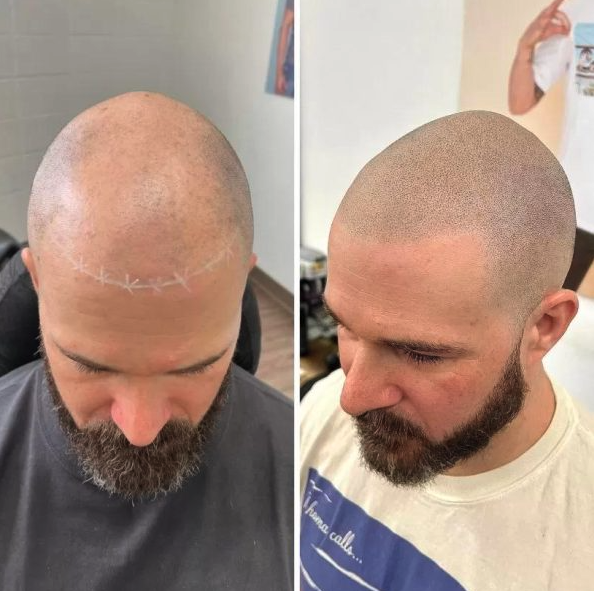
If you have spent hours scrolling before and after photos and typing “is scalp micropigmentation worth it” into every search bar you can find, you are not alone. Thinning hair and receding hairlines send thousands of people looking for an alternative to transplants, wigs, and hair loss medications every year. Scalp micropigmentation, a form of cosmetic tattooing that recreates the look of a closely shaved head or added density, has become one of the fastest growing hair loss solutions precisely because it is non surgical, low maintenance, and immediate. Before you book a session, though, it helps to ask the right questions. Here are seven that will tell you whether SMP is actually worth it for your situation.
What Is Scalp Micropigmentation and How Does It Work?
Scalp micropigmentation is a cosmetic tattooing technique that deposits tiny dots of pigment into the scalp to mimic the look of hair follicles. It is used to create the appearance of a buzzed head, add density to thinning areas, or camouflage scars from surgery or injury.
A trained technician uses a fine needle to layer pigment matched to your natural hair color, working in small, randomized dots so the result reads as real stubble rather than a solid tattoo. Most treatments take two to four sessions spaced about a week apart, allowing the scalp to heal and the pigment to settle between visits.


1. Will Scalp Micropigmentation Look Natural on My Head Shape?
Yes, when performed by a trained artist, SMP is customized to your head shape, hairline design, and skin tone, so the final look blends with your existing hair instead of appearing painted on.
A skilled artist maps your hairline before the first session, taking into account your age, bone structure, and how your hairline has changed over time. Younger clients often benefit from a slightly softer, more mature hairline rather than the sharp, low line they had at eighteen, since a natural-looking result ages better and draws less attention. Dot placement is intentionally irregular, mirroring how real follicles grow, which is the main reason well-done SMP is difficult to spot even up close.
2. How Much Does Scalp Micropigmentation Cost Compared to Alternatives?
SMP typically costs a fraction of a hair transplant over time, since most treatments are completed in two to four sessions rather than requiring years of medication, multiple surgeries, or ongoing prescriptions.
Pricing depends on the size of the area being treated, whether you need a full scalp application or just hairline and crown density, and how much scar or discoloration correction is involved. When you compare the one time investment in SMP against years of topical treatments or a transplant plus its follow up procedures, many clients find the long term math favors micropigmentation, especially for those who are not good transplant candidates due to limited donor hair.
Clients who choose scalp micropigmentation often see results that hold up for four to six years, roughly the recovery window of a single hair transplant cycle, without the surgical downtime.
3. How Long Does Scalp Micropigmentation Last Before Needing a Touch-Up?
Most scalp micropigmentation results last four to six years before the pigment softens and a touch up is recommended, making it a long term solution rather than a permanent one.
Longevity depends on factors like skin type, sun exposure, and how closely you follow aftercare instructions in the weeks after treatment. Clients with oilier skin or frequent sun exposure may notice fading sooner, while those who protect the treated area tend to stretch results toward the higher end of that range. A touch up session is typically quicker and less expensive than the original treatment.
4. Is Scalp Micropigmentation Painful or Risky?
Most clients describe SMP as mildly uncomfortable rather than painful, similar to a light scratching sensation, and serious complications are rare when the procedure is performed in a licensed, sterile studio.
Discomfort levels vary by area treated, with the crown generally being less sensitive than the temples and hairline. Numbing options can help clients who are especially sensitive. The real risk factor is not the procedure itself but where you get it done. Choosing an unlicensed or inexperienced provider raises the chance of infection, uneven pigment, or a result that ages poorly, which is why researching your artist matters as much as researching the procedure.
5. Can Scalp Micropigmentation Fix My Specific Hair Loss Pattern?
SMP works well for receding hairlines, diffuse thinning, alopecia, and scar camouflage, though the best approach depends on how much natural hair you still have and what result you are hoping for.
Someone with a fully bald scalp will typically go for a full shaved head look, while someone with thinning but present hair may want density-building SMP that blends with existing strands rather than a buzzed appearance. People recovering from a hair transplant often use SMP specifically to camouflage strip or FUE scarring. A consultation is the best way to find out which category fits your situation, and it is worth reviewing our scalp micropigmentation services to see examples of each approach before you decide.
6. What Does Aftercare and Recovery Involve?
Recovery typically takes seven to ten days, during which you avoid heavy sweating, direct sun exposure, and washing the treated area so the pigment has time to settle properly into the skin.
Beyond the initial healing window, ongoing care is fairly minimal. Wearing sunscreen or a hat when outdoors, avoiding harsh exfoliants on the scalp, and moisturizing as directed all help preserve pigment color and crispness over the following years. Compared to the recovery timeline for a surgical transplant, which can involve weeks of restricted activity, SMP aftercare is considered low maintenance by most clients.
7. How Do I Choose a Qualified Scalp Micropigmentation Artist?
Look for a licensed studio with visibly sterile equipment, a portfolio that includes healed results rather than only fresh ones, and an artist who specializes specifically in SMP rather than general tattooing.
Ask how many SMP procedures the artist has completed, request to see photos taken weeks or months after treatment, and confirm the studio follows proper sanitation protocols. A good provider will walk you through hairline design and pigment matching before ever picking up a needle, and will be upfront about how many sessions your specific case will likely need. If you want to see the process and ask these questions directly, you can visit our SMP studio in Miami to tour the space and speak with a technician.
So, Is Scalp Micropigmentation Worth It? Key Takeaways
- Non surgical alternative that delivers immediate, visible results
- Generally costs less than a hair transplant when you factor in long term maintenance
- Lasts four to six years with proper aftercare before a touch up is needed
- Minimal discomfort and low risk when performed in a licensed, sterile studio
- Effective for receding hairlines, diffuse thinning, alopecia, and scar camouflage
- Recovery takes about a week and requires only simple aftercare steps
- Choosing an experienced, specialized artist matters more than choosing the cheapest option
Ready to Find Out If SMP Is Right for You?
So, is scalp micropigmentation worth it? For most people dealing with a receding hairline, thinning crown, or transplant scarring, the answer is yes, particularly when the procedure is performed by an experienced artist who takes the time to design a hairline that matches your face and age naturally. The seven questions above are the same ones any good provider should be happy to answer before you commit to a session. If you are ready to see what the process looks like for your specific hair loss pattern, reach out to book a scalp micropigmentation consultation and get a personalized assessment from a licensed technician.